Retention Dynamics in Niche Sportsbooks: The Role of Customized Odds Adjustments
Written by Blake Meier · Aug 21, 2026
Retention Dynamics in Niche Sportsbooks: The Role of Customized Odds Adjustments
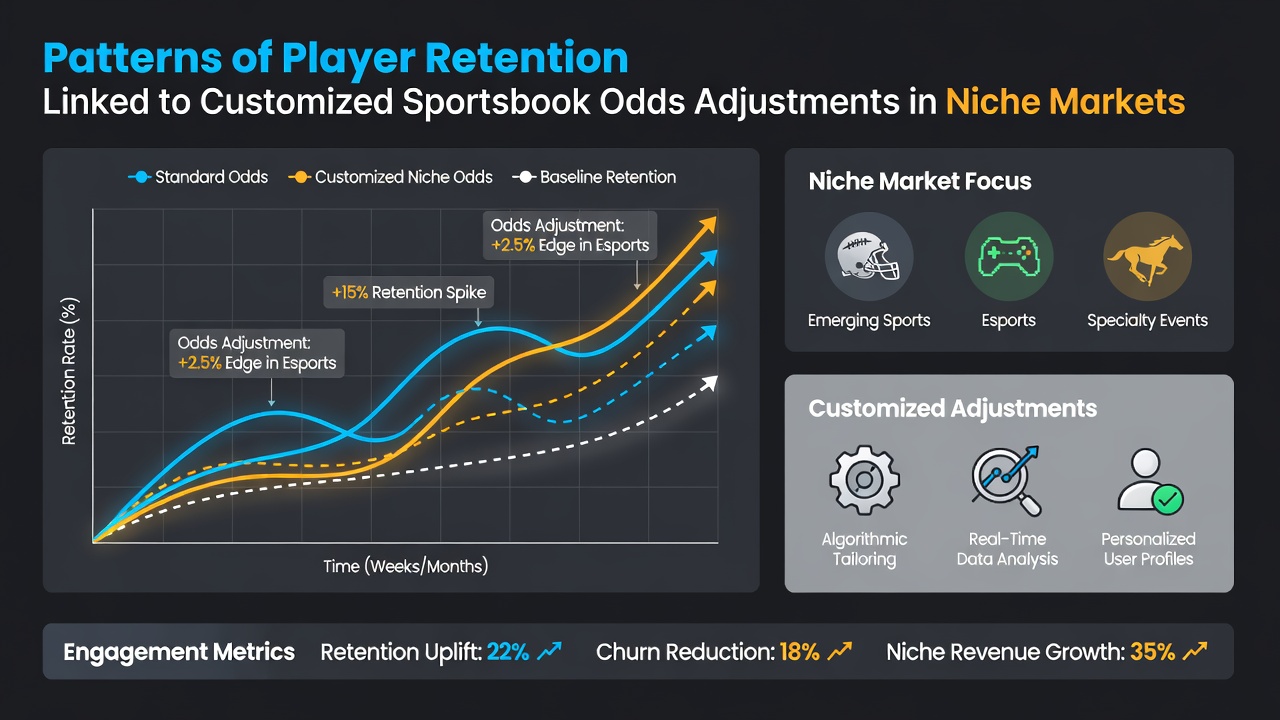
Customized odds adjustments in niche markets such as darts, table tennis, and emerging e-sports leagues have shown measurable connections to player retention rates, according to industry tracking data collected through 2026. Operators in these segments often modify line movements based on localized betting volumes, and patterns emerge when these tweaks align with individual user preferences over extended periods. Research from academic sources indicates that retention improves when adjustments reflect real-time market depth rather than broad templates applied across mainstream sports.
Market Characteristics and Adjustment Mechanisms
Niche markets operate with thinner liquidity pools compared to major leagues, which allows operators to implement granular changes without triggering widespread arbitrage. Data shows that when bookmakers adjust odds by fractions of a percent in response to micro-bets from segmented user groups, repeat engagement rises within specific cohorts. Those who have studied these environments note that customization often involves weighting historical performance data against current roster changes or venue factors unique to lesser-followed events.
August 2026 brought additional focus to these tactics as several platforms expanded their niche offerings ahead of seasonal tournaments. Figures from regulatory filings reveal that operators maintaining dedicated teams for odds calibration in these areas recorded steadier active user counts month over month. Customization here extends beyond simple margin tweaks to include dynamic pricing models that factor in player-specific bet histories while staying within compliance boundaries set by regional authorities.
Observed Retention Patterns
Studies conducted by research institutions have tracked how retention metrics shift when odds customization targets smaller markets. One analysis covering multiple operators found that users receiving tailored adjustments on niche events demonstrated longer session durations and higher return frequencies than those limited to standard pricing. The connection appears strongest in categories where bettors develop specialized knowledge, such as regional handball or amateur fighting circuits, because adjustments can mirror the nuances those users track closely.
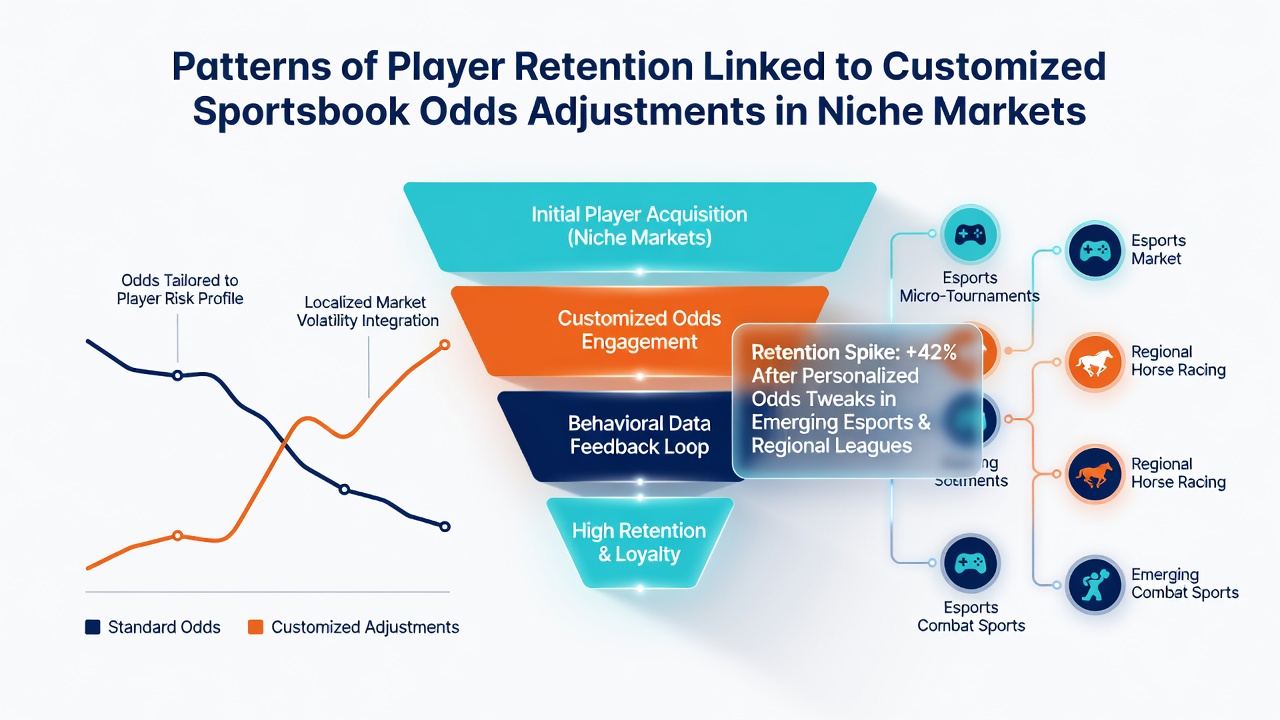
Industry organizations have documented cases where platforms introduced segmented odds feeds for high-engagement subgroups, resulting in reduced churn rates over six-month windows. Observers note that the effect compounds when adjustments occur consistently rather than sporadically, allowing users to anticipate value opportunities within their preferred niches. Retention data further indicates that markets with rapid lineup changes benefit most from frequent recalibrations, as these keep the betting environment feeling responsive to underlying developments.
Data Insights from Industry Reports
According to a report issued by the Canadian Gaming Association, platforms emphasizing customization in niche verticals experienced measurable upticks in loyalty program participation during the first half of 2026. The report highlights how operators who integrated user behavior signals into their pricing engines saw improved stickiness, particularly among bettors who concentrated activity in one or two specialized categories. European sources have similarly recorded correlations between precise odds layering and sustained account activity across mobile channels.
Additional findings from university-led research projects suggest that the timing of adjustments plays a critical role. When changes align with peak betting windows for niche events, retention curves flatten more effectively than when shifts happen during off-peak hours. Those reviewing the data emphasize that successful implementations maintain transparency around margin structures to avoid eroding trust, even as personalization increases.
Implementation Considerations Across Regions
Regulatory frameworks in different jurisdictions influence how far customization can extend. Australian oversight bodies, for instance, have reviewed practices that tie odds modifications to player segmentation, requiring clear documentation of how such systems avoid unfair targeting. Operators active in these markets report that compliance documentation itself becomes part of the retention strategy, as users gain confidence when processes appear standardized and auditable.
Cross-border comparisons show that platforms balancing customization with responsible gaming tools maintain steadier user bases. Data indicates that incorporating limit-setting features alongside tailored odds helps prevent over-concentration in any single niche, supporting longer-term engagement without regulatory friction. Patterns also emerge when operators refresh their adjustment algorithms quarterly, incorporating fresh performance metrics from completed events.
Conclusion
Patterns linking customized odds adjustments to retention in niche sportsbook markets rest on observable data from operator reports and academic reviews. The evidence points to improved continuity when adjustments remain responsive to segment-specific volumes and event characteristics. As platforms continue refining these approaches through 2026, tracking mechanisms from diverse regulatory regions will likely shape further refinements in how personalization intersects with user loyalty metrics.