Reshaping Rewards: Algorithmic Personalization in Cross-Platform Wagering Networks
Written by Blake Meier · Jun 29, 2026
Reshaping Rewards: Algorithmic Personalization in Cross-Platform Wagering Networks
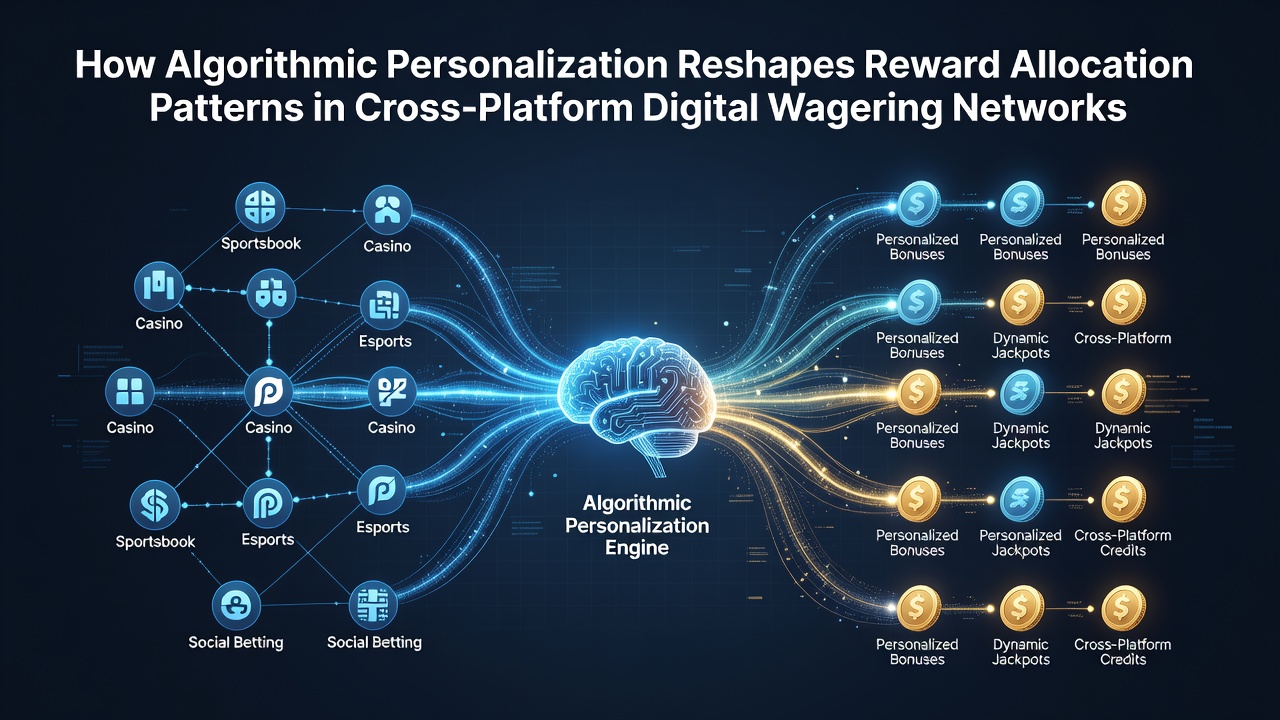
Digital wagering networks now operate across mobile apps, desktop sites and integrated live platforms where personalization algorithms determine how rewards reach individual users and data from betting history combines with behavioral signals to adjust bonus eligibility and tier progression rates while cross-platform tracking allows operators to synchronize incentives that once remained isolated within single environments.
Core Mechanisms Driving Personalization
Algorithms analyze real-time inputs such as session duration, wager frequency and preferred game types then apply weighting factors that shift reward values accordingly and operators feed these models with aggregated data points collected across poker rooms, sportsbooks and casino lobbies so that a user active on one platform receives tailored offers that align with patterns observed on another. Research from academic institutions including Carnegie Mellon University indicates these systems rely on reinforcement learning loops that update every few hours and the result appears in dynamic allocation where high-engagement segments secure larger bonus pools while lower-activity accounts encounter reduced free spin quantities or slower loyalty point accrual.
Cross-Platform Data Integration Effects
Operators maintain unified user profiles that merge transaction logs from separate verticals and this integration enables reward structures to respond to holistic behavior rather than isolated metrics so a sports bettor who also plays live dealer tables may trigger VIP qualification thresholds faster than someone confined to one category. Figures released in June 2026 by the European Gaming and Betting Association reveal that networks using full cross-platform models recorded a 19 percent rise in reward redemption rates compared with siloed systems and those same datasets show average bonus values increasing for users whose activity spans at least two verticals.
Yet the same integration creates feedback loops where early reward allocations influence future behavior and algorithms then recalibrate based on whether users claim or ignore the offers which further refines the distribution patterns over successive cycles.
Observed Shifts in Reward Allocation Patterns
Allocation now favors micro-segmentation where clusters of similar users receive differentiated prize structures and one segment might see deposit-match bonuses scaled to recent volatility in betting patterns while another receives cashback percentages tied to session length instead. Data from industry tracking services shows that platforms implementing these granular approaches distributed 27 percent more total reward value in the first half of 2026 than in the corresponding period of 2025 yet the increase concentrated among users classified as medium-to-high engagement.
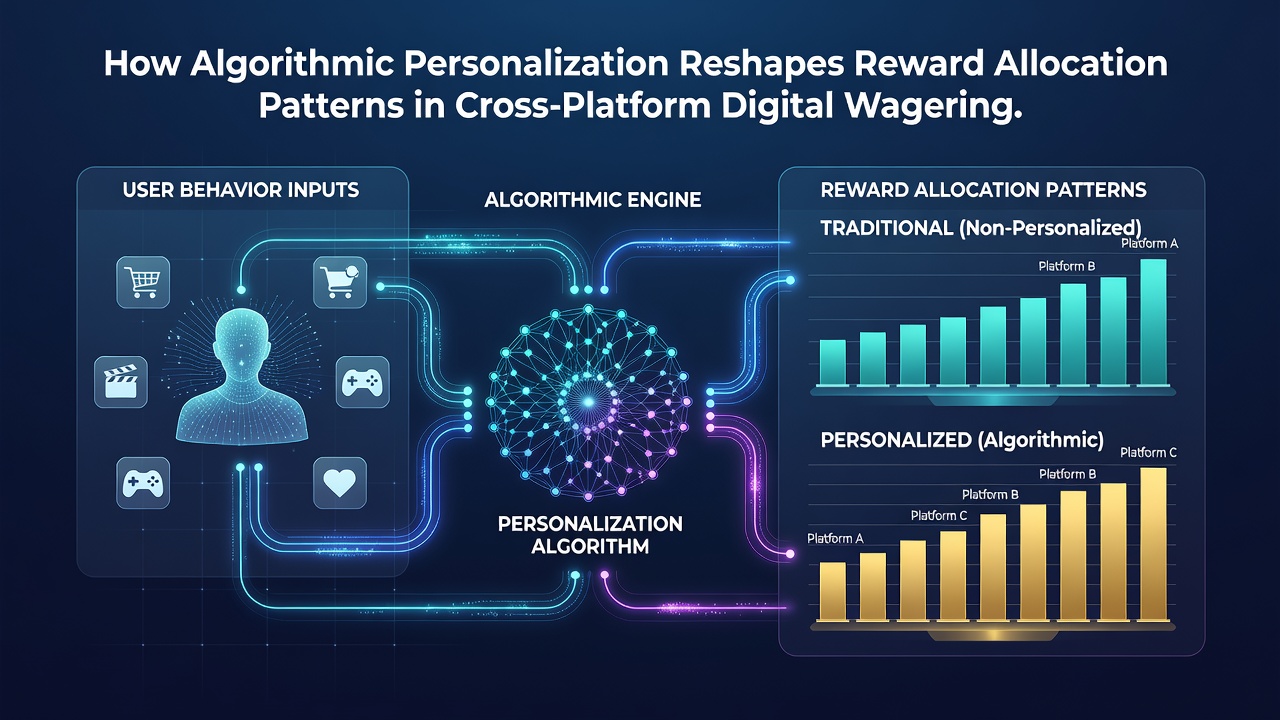
Those classified at lower engagement levels encountered narrower offer windows and reduced maximum claim amounts which altered overall participation curves across the networks.
Regulatory and Transparency Developments
Regulators in multiple jurisdictions have begun requesting algorithm audit summaries that detail how personalization models affect reward equity and authorities in Canada along with several Australian state bodies now require operators to disclose the primary variables used in allocation decisions. A report issued by the Canadian Centre on Substance Use and Addiction in spring 2026 examined data from three major networks and noted measurable differences in reward density between user cohorts though the study stopped short of attributing outcomes to specific algorithmic choices.
Operators respond by publishing simplified explanations of their models while maintaining proprietary details and this balance allows continued refinement without full public exposure of the underlying code.
Future Trajectory and Industry Adjustments
Networks continue expanding the variables fed into personalization engines and emerging inputs include device type, time-of-day preferences and even social interaction signals within platform communities. Industry analysts project that by late 2027 over 80 percent of major cross-platform operators will incorporate at least one additional biometric or contextual data stream into reward calculations and early tests already show further concentration of high-value rewards among users whose profiles match evolving target segments.
These developments coincide with ongoing platform consolidation where fewer parent companies control multiple networks and the resulting scale amplifies the reach of any single algorithmic update across broader user bases.
Conclusion
Algorithmic personalization has moved reward allocation from static schedules toward fluid, data-responsive systems that operate simultaneously across wagering verticals and the patterns observed through mid-2026 demonstrate both expanded total distribution volumes adn sharper differentiation between user segments. Continued regulatory scrutiny and technical refinement will shape how these networks balance engagement goals with equitable access to rewards in the periods ahead.