Policy Expert Warns of Gambling Addiction Crisis as Betting Expands Across US
Written by Frankie Lang · Apr 24, 2026

Policy Expert Warns of Gambling Addiction Crisis as Betting Expands Across US
Harry Levant, director of gambling policy at the Public Health Advocacy Institute (PHAI), recently issued a stark warning that gambling addiction in the United States has spiraled out of control, driven by the rapid growth of online gambling, prediction markets, and sports betting following the 2018 Supreme Court ruling that legalized sports betting in 39 states and Washington, D.C.; this expansion, he argues, demands urgent action to treat gambling as a public health crisis on par with alcohol or tobacco, complete with tougher rules on how it's distributed, how fast bets can be placed, and who gets access to it all.
That message landed just ahead of a key PHAI event in Boston, where experts plan to dive into potential reforms, and it underscores how the landscape has shifted dramatically since the Supreme Court's decision in Murphy v. National Collegiate Athletic Association, which struck down a federal ban and opened the floodgates for states to regulate sports wagering on their own terms.
The Post-2018 Betting Boom Unfolds
States moved quickly after the ruling; by April 2026, 39 of them plus the District of Columbia had greenlit sports betting in some form, while online platforms and apps made it easier than ever for people to wager from their phones, leading to unprecedented volumes of activity that observers link directly to rising addiction concerns.
Online gambling has proliferated alongside this, with sports betting apps dominating downloads and daily engagement metrics; prediction markets, overseen by the Commodity Futures Trading Commission (CFTC) and open to those 18 and older, represent a newer frontier where users bet on event outcomes from elections to weather patterns, blurring lines between investing and gambling in ways that regulators continue to scrutinize.
Take Kalshi, for instance, a CFTC-regulated prediction market that saw over $1 billion traded on Super Bowl Sunday alone, a figure that highlights how these platforms draw massive participation during high-profile events; such booms, experts note, amplify risks because they normalize frequent, high-stakes betting accessible round-the-clock.
But here's the thing: while revenue figures climb—commercial gaming hit notable gains in recent months—the human cost mounts too, as helplines report surges in calls from those struggling with problem gambling, patterns that researchers have tracked since the legalization wave began.
Harry Levant's Call for Public Health Approach
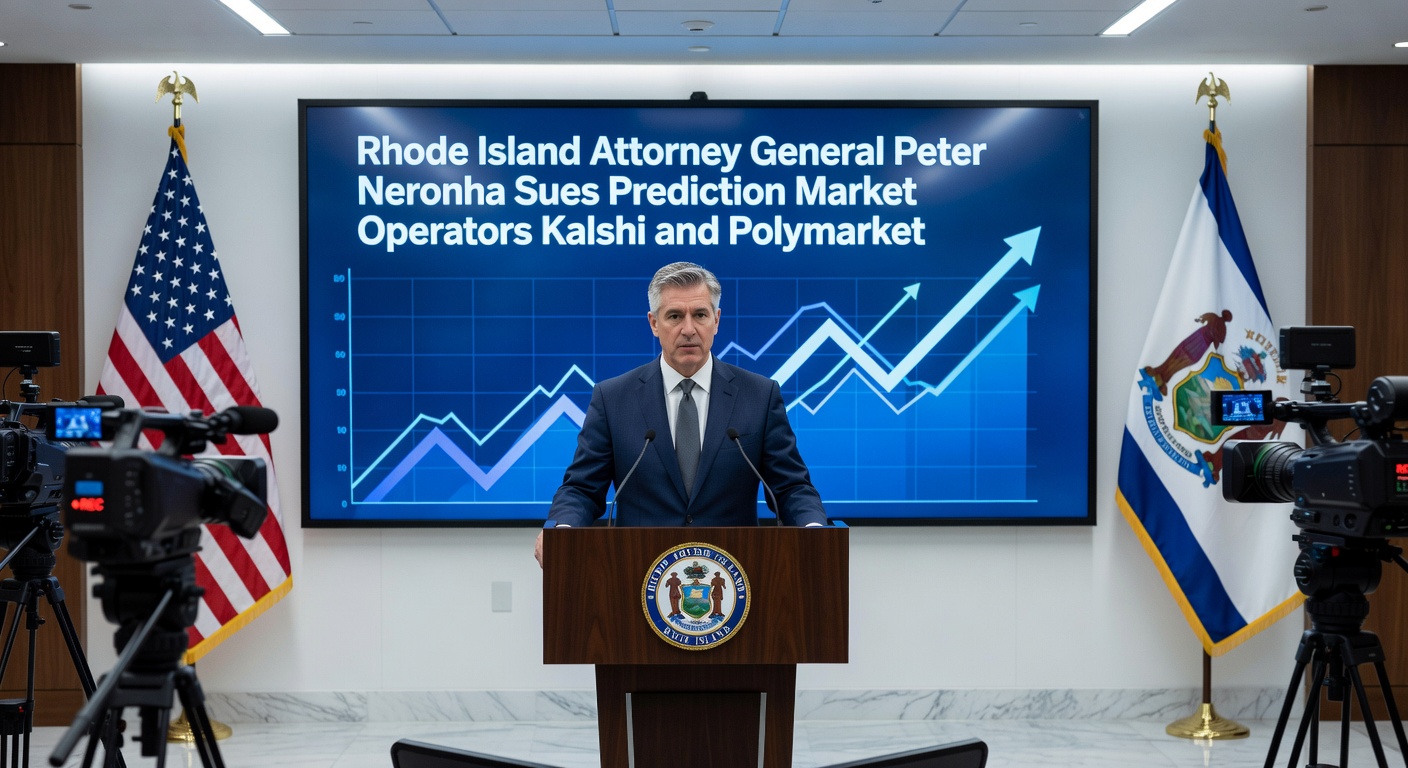
Levant, drawing from his role at PHAI—a nonprofit focused on health policy advocacy—positions gambling addiction not as a personal failing but as a systemic issue fueled by industry practices, much like how tobacco makers once engineered addictive products or alcohol outlets clustered in vulnerable areas; he pushes for regulations that curb distribution by limiting outlet density, slow down betting speed to prevent impulsive wagers, and tighten access controls beyond age checks, such as mandatory spending caps or reality checks during sessions.
Those who've studied public health parallels point out that alcohol carries warning labels, advertising restrictions, and taxation tied to harm reduction, while tobacco faces flavor bans and indoor smoking prohibitions; gambling, Levant contends, lags behind despite similar addiction profiles, where dopamine hits from wins keep users hooked even as losses pile up.
What's interesting is how this framing shifts the conversation from individual responsibility to collective safeguards, echoing campaigns that tamed smoking rates from over 40% in the 1960s to under 13% today; researchers who've analyzed betting data see parallels in how easy access correlates with higher problem rates, especially among younger adults diving into apps for the first time.
And yet, industry growth persists; sports betting handles tens of billions annually across legalized markets, with online segments leading the charge because they offer instant gratification, live odds updates, and promotions that pull in casual users who might otherwise stay sidelined.
Prediction Markets Enter the Spotlight
CFTC-regulated platforms like Kalshi have surged in popularity, trading contracts on everything from Fed rate decisions to Oscars winners, with that $1 billion Super Bowl day volume—a single-day record—showing how event-driven hype supercharges participation; open to 18-year-olds, these markets appeal to a demographic often excluded from traditional casinos, raising flags about early exposure to financial risk disguised as prediction.
Experts observe that prediction markets thrive on real-time data and low barriers, much like sports betting apps, but their financial framing can lure in those who view them as savvy investments rather than gambles; data from trading volumes indicates explosive growth since CFTC approvals, coinciding with broader betting normalization post-2018.
One study highlighted in recent reports reveals a rising share of Americans who believe sports betting affects game integrity, a concern that spills over to prediction markets where large bets could theoretically sway perceptions of fairness, although CFTC oversight aims to prevent manipulation.
Turns out, the combo of sports betting's emotional pull and prediction markets' intellectual allure creates a perfect storm for engagement, with platforms reporting user bases in the millions and daily active users spiking during major events like the Super Bowl.
The Boston Event and Path Forward
PHAI's upcoming gathering in Boston, timed for late April 2026, brings together policymakers, researchers, and advocates to unpack these trends and sketch reform blueprints; sessions will likely cover data on addiction prevalence—estimated to affect millions since legalization—alongside models for stricter controls borrowed from substance use policies.
People who've attended similar forums recall how discussions there have influenced state-level changes, like enhanced self-exclusion tools or ad blackout periods during live sports; Levant’s involvement signals a push for federal coordination, given the patchwork of state laws that leaves gaps in protection for interstate online betting.
Now, as addiction treatment seekers double in some surveys and revenue keeps climbing, the stakes feel higher than ever; observers note that without intervention, the trajectory mirrors early internet poker booms that prompted UIGEA in 2006, but with sports and predictions woven deeper into daily life via apps.
So, while platforms tout responsible gaming features—deposit limits, timeouts, partnerships with helplines—the call from experts like Levant is for proactive curbs that address root causes, ensuring growth doesn't come at the expense of public health.
Key Stats at a Glance
- 39 states and Washington, D.C., now permit sports betting post-2018 Supreme Court ruling.
- Kalshi traded over $1 billion on Super Bowl Sunday, exemplifying prediction market scale.
- CFTC allows 18+ access to regulated prediction markets, broadening the user pool.
- Levant advocates regulations mirroring alcohol and tobacco: limits on distribution, speed, access.
These figures, pulled from recent analyses, paint a picture of expansion that's hard to ignore, especially as helpline data ticks upward in parallel.
Conclusion
The warnings from Harry Levant and PHAI capture a pivotal moment in April 2026, where gambling's mainstream ascent clashes with mounting addiction evidence, prompting calls to reframe it through a public health lens; as the Boston event approaches, stakeholders watch closely for reforms that could temper the industry's speed and reach, balancing economic wins with safeguards that prevent further spirals.
Researchers emphasize that early action—much like with past crises—yields the best outcomes, while platforms and regulators navigate the tension between innovation and responsibility; the road ahead hinges on whether data-driven policies gain traction amid the betting boom that's redefined American pastimes.