Policy Evolutions Reshaping Reward Mechanisms in Transnational Mobile Gambling Networks
Written by Blake Meier · Jun 26, 2026
Policy Evolutions Reshaping Reward Mechanisms in Transnational Mobile Gambling Networks
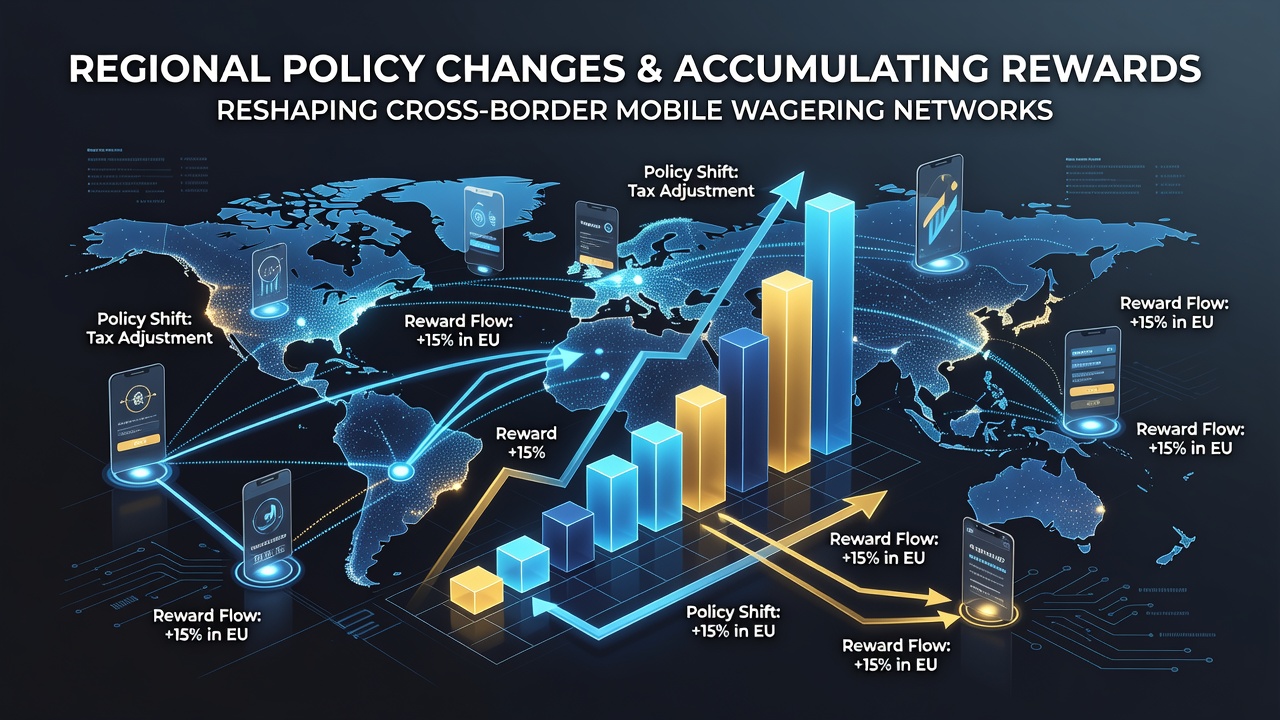
Regional policy adjustments continue to alter how rewards accumulate within cross-border mobile wagering networks as operators adapt loyalty structures and bonus systems to comply with varying regulatory frameworks across jurisdictions. Governments in multiple continents have introduced measures that directly influence point accrual rates, redemption thresholds, and eligibility criteria for users participating in international platforms. These shifts affect everything from VIP tier progression to promotional stacking rules that once operated uniformly across borders.
European Licensing Requirements and Tiered Reward Caps
European authorities have tightened licensing conditions around bonus promotions since early 2025, with several member states enforcing caps on accumulating rewards when users cross from one regulated market into another. Operators must now segment user accounts based on residency, which fragments the seamless reward flows that previously allowed players to build balances across multiple countries under a single profile. Data from industry associations shows that such segmentation has reduced cross-border point transfers by measurable margins in the first half of 2026.
Those who monitor these networks observe that operators respond by creating region-specific multipliers that reset upon travel or account migration. This approach maintains compliance while preserving some incentive value, yet it creates friction for frequent international users who once transferred balances fluidly between platforms licensed in different nations.
North American State-Level Variations Affecting Bonus Eligibility
Across North America, individual states have enacted distinct rules governing promotional offers tied to mobile wagering. Certain jurisdictions prohibit combining deposit bonuses with loyalty points earned from cross-border activity, while neighboring regions permit limited stacking provided the primary account remains domiciled locally. Operators tracking these differences have adjusted algorithms that calculate reward velocity, slowing accumulation when transactions originate from restricted zones.
Industry reports indicate that platforms serving users across state lines now deploy geofencing technology that pauses or redirects reward credits in real time. Users attempting to bypass these controls through VPNs encounter account flags that further delay tier advancements and reduce the effective value of accumulated incentives.
Asia-Pacific Regulatory Divergence and Point Redemption Rules
Asia-Pacific markets present another layer of complexity where countries maintain separate taxation models on winnings derived from mobile networks. Some jurisdictions tax rewards at the point of accrual rather than redemption, prompting operators to restructure how points convert into credits or free bets. This change disrupts patterns that allowed users to hold balances across multiple regional servers until favorable conversion rates appeared.
Observers note that operators have introduced time-bound windows for cross-border redemptions to align with local fiscal calendars. These windows often close before users can combine points earned in one market with those from another, effectively capping total reward potential for transnational participants.
Technology Adaptations by Platform Operators
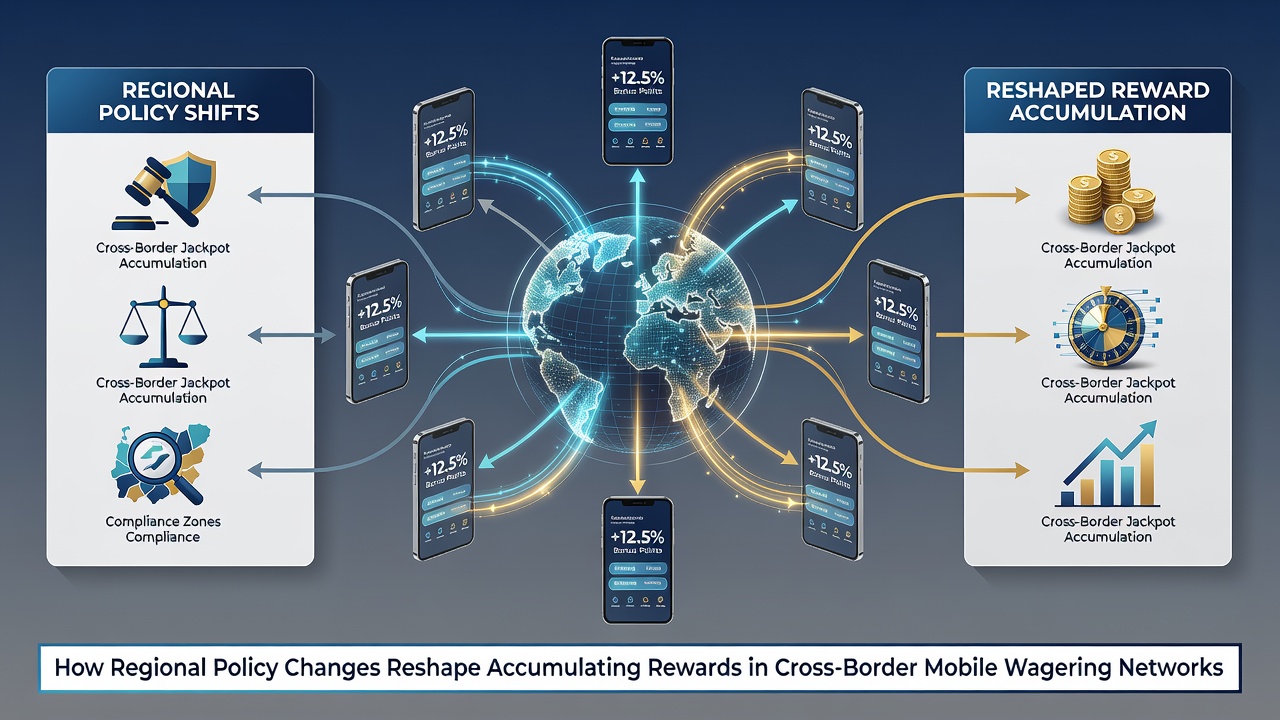
Platform operators have responded to these fragmented policies by deploying dynamic reward engines that recalculate balances based on the user's detected location and the prevailing rules in that jurisdiction. These engines pull data from regulatory databases updated monthly, allowing real-time adjustments without manual intervention. Such systems have become standard by June 2026 as more networks expand into additional regulated territories.
According to the European Gaming and Betting Association, these technological upgrades have helped maintain operational continuity even as reward structures diverge sharply between markets. Operators report fewer compliance incidents after implementation, although user complaints regarding interrupted accumulation have risen in parallel.
Case Examples from Recent Market Entries
One documented case involves a major network that entered two new Asian markets in late 2025 only to face immediate restrictions on transferring loyalty points earned in Europe. The operator introduced mirrored reward ledgers that operate independently until users complete verification processes tied to each jurisdiction. This solution preserved local compliance while allowing eventual consolidation under strict conditions.
Another example from Canadian provinces shows how differing provincial tax treatments on bonuses forced networks to exclude certain reward types from cross-border aggregation entirely. Users in those regions now see separate progress bars for each market segment rather than a unified total, a direct consequence of policy alignment efforts completed in spring 2026.
Conclusion
Regional policy changes continue to drive structural modifications in how rewards accumulate and transfer within cross-border mobile wagering networks. Operators rely on segmented ledgers, geofencing protocols, and dynamic calculation engines to remain compliant while users encounter more fragmented experiences. Data from regulatory bodies and industry groups, including sources such as iGaming Ontario, illustrate measurable impacts on point velocity and redemption patterns through mid-2026. These adaptations reflect ongoing efforts to balance regulatory demands with operational incentives across expanding international networks.