Patterns in Deposit Choices and Their Impact on Loyalty Advancement in Virtual Table Games
Written by Blake Meier · Aug 19, 2026
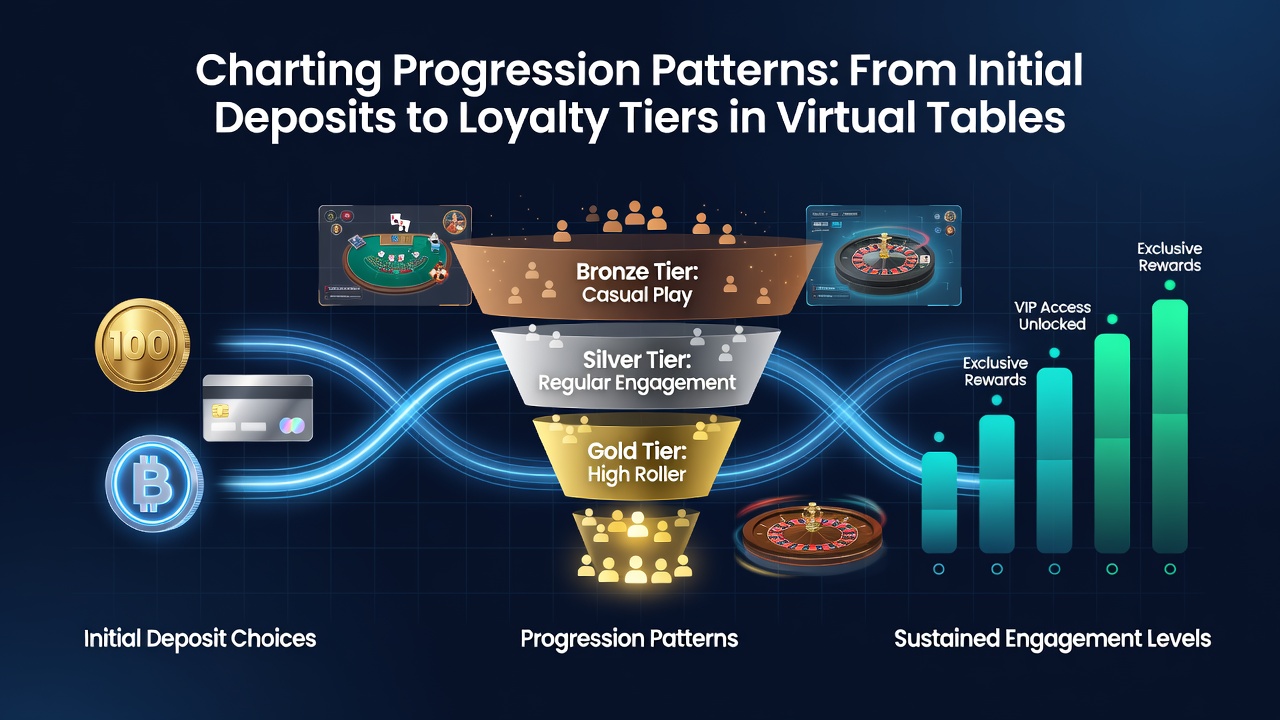
Patterns in Deposit Choices and Their Impact on Loyalty Advancement in Virtual Table Games
Players enter virtual table environments through varied deposit amounts and payment methods that set the stage for how long they remain active and how quickly they climb loyalty ladders, according to industry tracking data released in mid-2026. Those initial choices often determine the pace at which users unlock tier benefits such as personalized table limits, cashback rates, and exclusive tournament access across platforms offering blackjack, roulette, and baccarat.
Research from gaming analytics firms shows that users who start with mid-range deposits between fifty and two hundred dollars tend to reach intermediate loyalty tiers faster than those beginning with minimal amounts, while larger first deposits correlate with quicker movement into top brackets when paired with consistent play volume. Data collected through August 2026 indicates these patterns hold across multiple operators serving North American and European markets.
Deposit Size and Payment Method Correlations
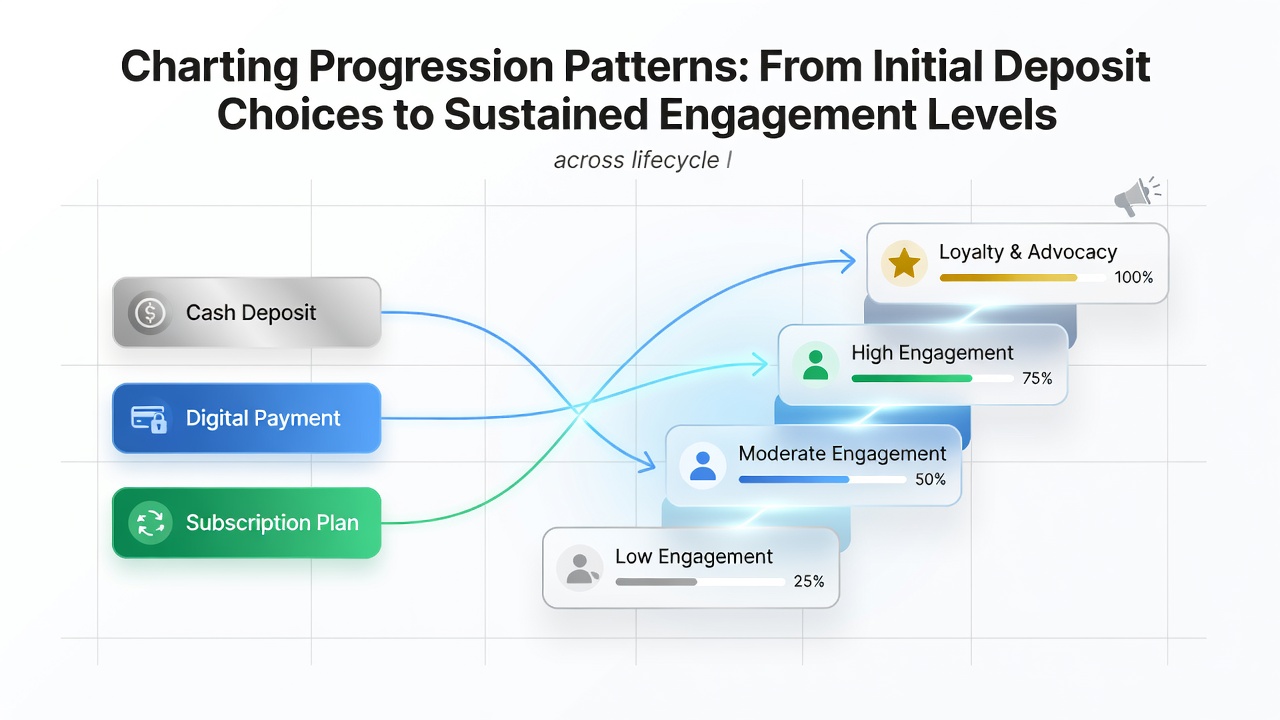
Payment preferences at signup influence retention rates because certain methods carry different processing speeds and bonus eligibility rules that affect early engagement momentum. Credit card deposits frequently pair with welcome packages that encourage repeat sessions, whereas e-wallet users show steadier week-to-week activity once they pass the first loyalty threshold. Observers note that cryptocurrency deposits, though smaller on average, lead to higher variance in session length yet produce similar tier advancement rates when users maintain weekly volume targets.
Figures from regulatory filings in several jurisdictions reveal that platforms tracking deposit velocity rather than single-transaction size achieve more accurate predictions of which accounts will sustain activity beyond ninety days. This approach helps operators adjust tier qualification criteria without relying solely on total spend.
Loyalty Tier Mechanics Across Platforms
Most virtual table environments structure loyalty programs around a combination of deposit frequency, average bet size, and time spent at active tables. Entry-level tiers grant basic reload bonuses and standard cashback, while mid-tiers add priority support and customized game recommendations. Top tiers typically require documented play across multiple months plus minimum deposit thresholds that scale with overall platform revenue targets.
Studies conducted by independent research groups in Canada and Australia confirm that players who receive tiered incentives tied directly to table game activity maintain higher engagement levels than those offered generic rewards. These findings appear in reports covering operator performance through the first half of 2026.
Engagement Duration and Tier Advancement Data
Longitudinal data compiled by trade associations demonstrates that users reaching the second loyalty tier within thirty days of their first deposit exhibit retention rates approximately forty percent higher than those who take longer. This acceleration often stems from early bonus triggers that align with players' preferred table limits and game types. Platforms that monitor both deposit size and game selection patterns can forecast tier movement with greater precision.
Reports issued by the American Gaming Association highlight similar trends in regulated markets where operators publish anonymized progression statistics. European operators following similar disclosure practices report comparable outcomes when initial deposits exceed platform averages.
Regional Variations in Progression Rates
Operators serving different geographic regions apply distinct qualification rules that affect how quickly deposit patterns translate into tier benefits. North American platforms emphasize volume-based requirements, while certain Asian markets incorporate social features and referral bonuses that speed advancement for users who deposit regularly. Academic papers from university research centers in Australia document these regional differences using anonymized transaction datasets collected between 2024 and 2026.
Those datasets also show that users who combine multiple deposit methods early in their tenure reach higher tiers at rates exceeding single-method users, although the absolute numbers remain modest across the overall player base. Such patterns persist even after controlling for total funds deposited.
Conclusion
Deposit choices made at the outset of participation in virtual table environments establish measurable pathways toward sustained activity and loyalty tier progression. Industry reports and regulatory disclosures from multiple regions confirm that size, frequency, and method of initial deposits interact with platform reward structures to shape long-term engagement levels. Continued tracking through 2026 provides operators with clearer benchmarks for refining tier criteria while maintaining compliance with local requirements.