How Licensing Changes in Different Regions Shape Reward Systems for Mobile Wagering Users Operating Across Borders
Written by Blake Meier · Jun 24, 2026
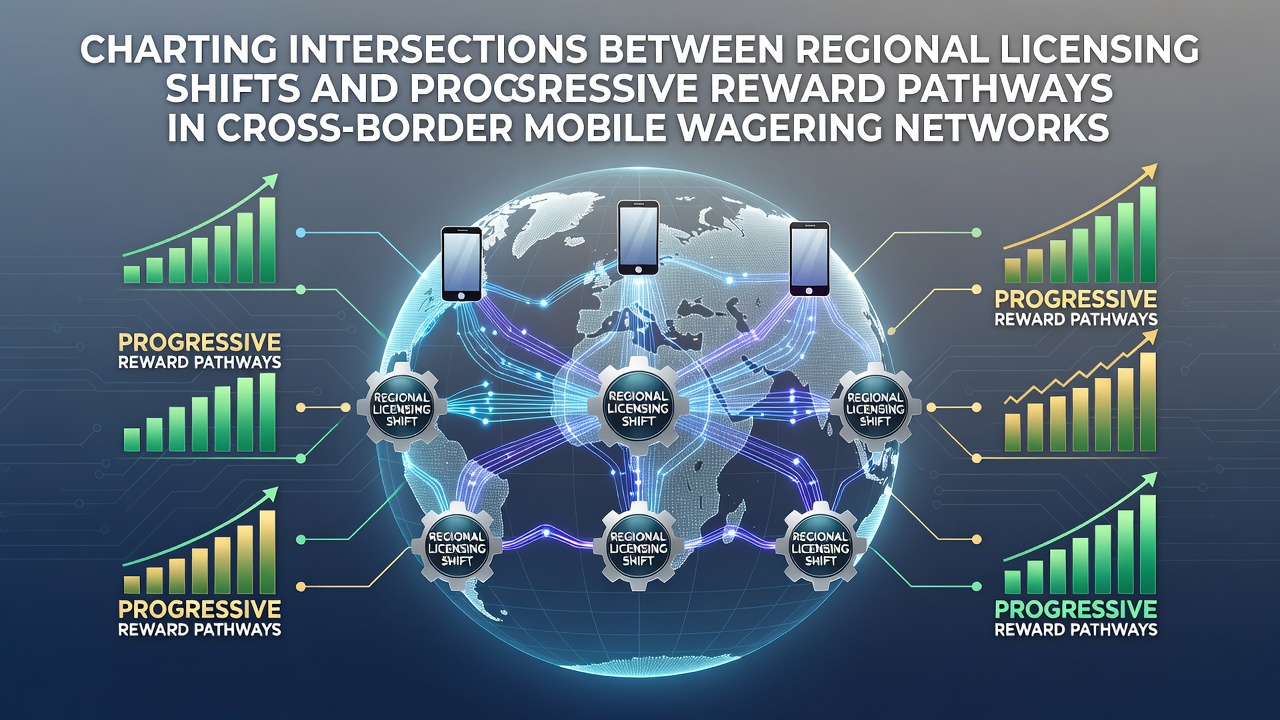
How Licensing Changes in Different Regions Shape Reward Systems for Mobile Wagering Users Operating Across Borders
Regional licensing adjustments continue to influence how operators structure progressive reward pathways within cross-border mobile wagering networks, and data from multiple jurisdictions shows these shifts affect bonus eligibility, tier progression, and user retention models simultaneously. In June 2026 several markets implemented updated licensing criteria that directly impacted the design of loyalty programs offered through smartphone applications serving users across national boundaries.
Licensing Frameworks Across Key Jurisdictions
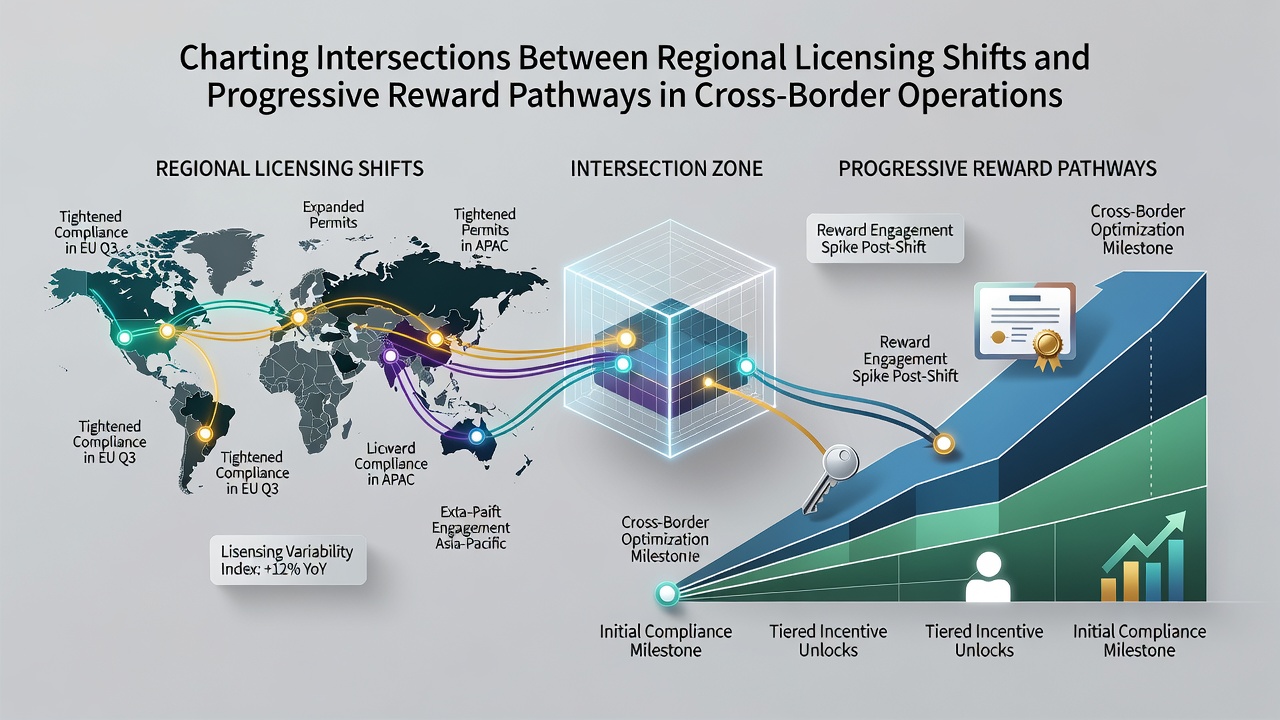
Changes in European Union member states have required operators to recalibrate reward structures so that progressive tiers align with stricter advertising and bonus restrictions, while Canadian provincial regulators introduced new cross-border compliance rules that tie reward accumulation rates to verified location data. Observers note that these adjustments create ripple effects because mobile platforms must synchronize user accounts across licensed and unlicensed zones, which means reward pathways often pause or reset when users cross regulatory thresholds.
Australian authorities released updated guidelines in early 2026 that connect licensing renewal processes to transparent reporting on progressive reward distributions, and this approach has prompted networks to modify how points convert into cashback or free bets for participants located outside primary licensing areas. Those who've studied these patterns recognize that operators now embed geographic checks into reward algorithms to avoid violations when users access platforms from multiple countries.
Mechanics of Progressive Reward Pathways
Progressive reward systems in mobile wagering typically layer base loyalty points with accelerated multipliers that unlock at higher activity thresholds, yet licensing shifts often cap the speed at which these multipliers apply for cross-border users. Research indicates that platforms adjust daily or weekly reward caps based on the strictest licensing rules among the regions where their users reside, which creates uneven progression speeds depending on a player's primary access location.
Operators have responded by introducing region-specific reward pools that feed into global tier systems, allowing users to maintain status even when licensing requirements differ between home and visited jurisdictions. Data shows this layered model helps sustain engagement because participants can continue advancing through pathways without full resets when they temporarily access services under alternative regulatory conditions.
Observed Interactions in Cross-Border Networks
Studies from industry research groups reveal that licensing updates in one region frequently trigger reward pathway revisions that propagate through entire networks within weeks, because mobile applications rely on centralized backend systems to calculate and distribute bonuses. For example, when one jurisdiction tightened bonus wagering requirements, several major platforms reduced the rate at which loyalty points converted to rewards for all users accessing services from that area, even if their accounts originated elsewhere.
Those monitoring these developments have documented cases where operators introduced temporary reward freezes during licensing transition periods to maintain compliance, and such pauses affect progression timelines for participants engaged in multi-jurisdictional play. Figures from academic analyses of mobile wagering data confirm that users who frequently switch between regions experience slower tier advancements compared with those whose activity remains concentrated in a single licensing environment.
According to reports published by the Ontario iGaming regulator, alignment between local licensing standards and international reward structures has become a key factor in operator renewal applications, which encourages networks to standardize certain pathway elements while preserving flexibility for regional variations. This standardization reduces administrative complexity but also limits how aggressively operators can scale rewards for users in less restrictive markets.
Future Trajectories and Monitoring
Analysts expect further licensing refinements in Asia-Pacific markets during the second half of 2026, and these changes could prompt additional recalibrations of progressive reward mechanisms to accommodate new cross-border user verification protocols. Evidence suggests that platforms will continue embedding automated compliance layers into reward calculation engines so that pathway adjustments occur dynamically without manual intervention.
Industry associations have begun publishing comparative studies that track how licensing shifts correlate with changes in average user progression rates across networks, and these resources help operators anticipate required modifications before they affect active reward programs. Observers note that transparent data sharing between regulators and platforms supports smoother transitions when new licensing conditions take effect.
Conclusion
The intersections between regional licensing shifts and progressive reward pathways in cross-border mobile wagering networks produce ongoing adjustments that operators manage through synchronized compliance tools and region-aware algorithms. Data continues to show that these interactions shape user experiences by altering progression speeds, reward availability, and tier stability depending on geographic access patterns. As licensing environments evolve, networks maintain operational continuity by building adaptive reward structures that respond to the most restrictive applicable rules while preserving engagement across multiple jurisdictions.