Event-Driven Promotions Reshaping Wager Patterns on Licensed Online Gambling Platforms
Written by Blake Meier · Jul 1, 2026
Event-Driven Promotions Reshaping Wager Patterns on Licensed Online Gambling Platforms
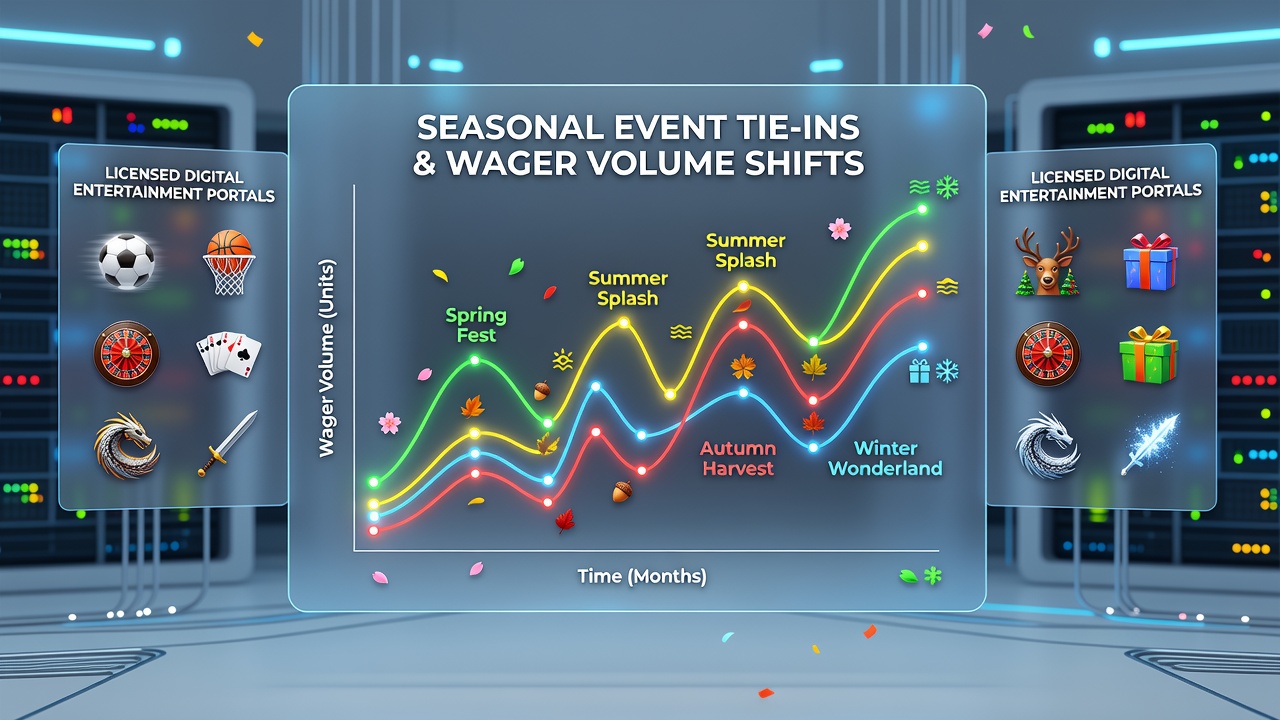
Seasonal event tie-ins have become a core mechanism that licensed digital entertainment portals use to influence wagering activity, with operators aligning promotions directly to holidays, major sporting calendars, and cultural milestones. These campaigns typically bundle bonus structures, themed markets, and time-limited incentives that encourage users to place wagers during specific windows, creating measurable shifts in volume across different product verticals. Data from multiple jurisdictions shows that platforms experience spikes in deposit activity and bet frequency when events such as summer festivals or international tournaments coincide with targeted marketing pushes.
Mechanics Behind Seasonal Tie-Ins
Operators structure these promotions around predictable calendars, releasing free bet credits, enhanced odds, or deposit matches that correspond to events like the start of baseball season or pre-summer music festivals. The approach relies on behavioral triggers where users receive notifications tied to real-world occasions, leading to increased session lengths and diversified bet types. In July 2026, several platforms reported elevated activity around international soccer qualifiers and domestic league expansions, with volume increases concentrated in mobile channels rather than desktop interfaces.
Research indicates that these tie-ins function through layered incentives that reward both volume and variety, such as cashback offers on specific event categories or loyalty points multipliers during peak periods. Those who've examined transaction logs across regulated sites observe that wager sizes often remain stable while the number of individual bets rises, suggesting users spread activity across more markets instead of concentrating on single high-stakes positions.
Volume Shifts Across Product Categories
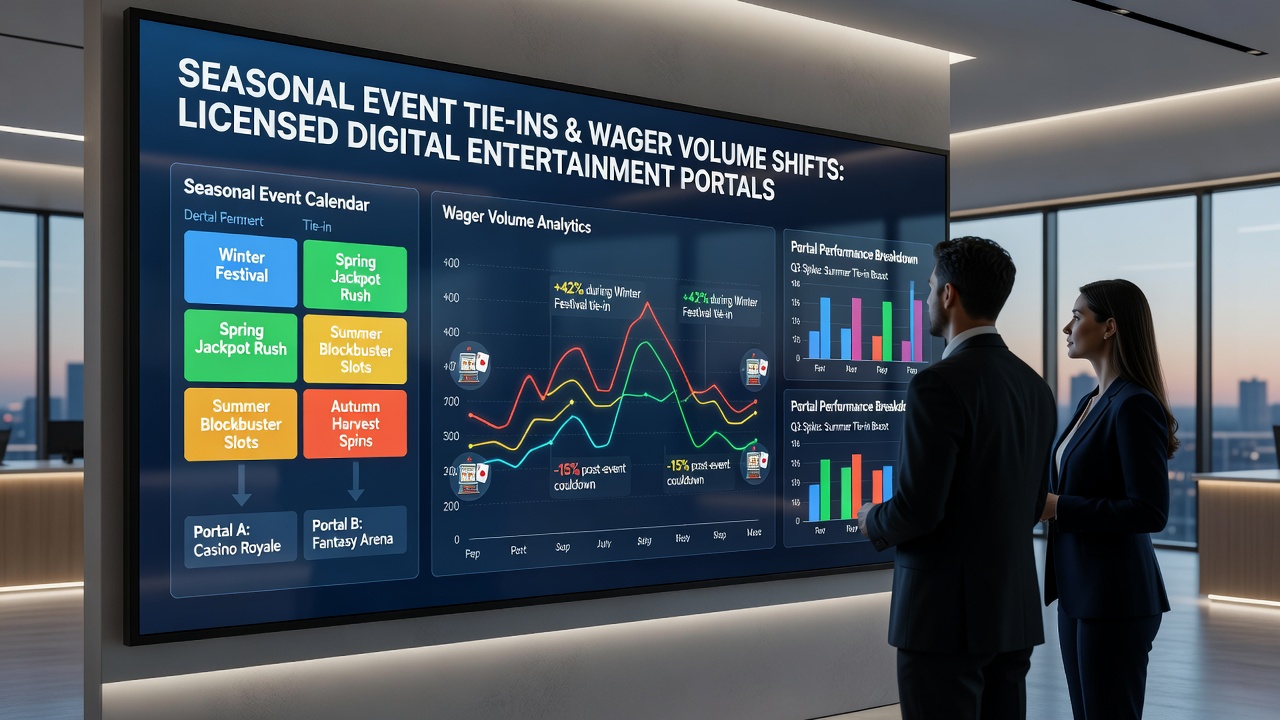
Slots and table games see the most immediate response to holiday-themed campaigns, whereas sportsbooks register longer tail effects when seasonal events overlap with ongoing leagues. Licensed portals in North America and Europe document distinct patterns where casino verticals capture short bursts around Independence Day or Bastille Day promotions, while sports betting sustains elevated levels through multi-week tournament tie-ins. According to figures released by the European Gaming and Betting Association, overall handle on regulated platforms grew during the first half of 2026 partly due to synchronized promotional calendars that reduced off-peak lulls.
What's interesting is how these shifts redistribute activity rather than simply expanding total volume, with some users migrating from traditional casino games to event-specific sports markets during peak promotional windows. Observers note that platforms with integrated loyalty systems record higher retention rates when seasonal offers include progressive rewards that carry over from one event cycle to the next.
Regional Patterns in 2026
North American operators have leaned heavily into baseball season promotions during July 2026, creating crossover offers that link casino bonuses to live baseball betting markets. In contrast, European platforms focused on tennis majors and domestic football pre-seasons, producing different volume distributions across time zones. Canadian provincial regulators have tracked similar movements, with data showing increased participation from users who respond to localized cultural events rather than global sporting calendars alone.
But here's the thing: the effectiveness of these tie-ins depends on seamless integration with payment and verification systems, which determines how quickly users can convert promotional credits into active wagers. Platforms that streamline these processes report faster volume ramps compared to those with longer approval timelines.
Measurement and Industry Tracking
Industry reports track these shifts through metrics such as average revenue per user during promotional windows versus baseline periods, alongside changes in bet diversity. A study conducted by researchers at the University of Nevada, Reno examined platform data from multiple operators and found that seasonal campaigns consistently produce volume increases ranging from 18 to 34 percent in targeted categories, with the largest gains occurring when events align with long weekends or national holidays. These measurements help regulators and operators assess whether promotional activity stays within responsible gambling parameters while still driving commercial objectives.
Platforms continue to refine targeting algorithms that predict which user segments will respond most strongly to particular event themes, allowing for more precise allocation of bonus budgets. This data-driven refinement has led to tighter synchronization between marketing calendars and actual user behavior patterns observed across licensed environments.
Conclusion
Seasonal event tie-ins represent a sustained strategy that licensed digital entertainment portals employ to manage wager volume fluctuations throughout the year. By aligning incentives with predictable external calendars, operators achieve measurable redistribution of activity across product lines and user segments. Continued monitoring by regulatory bodies and academic researchers provides ongoing insight into how these mechanisms function within broader market dynamics, particularly as calendars advance through events scheduled for the remainder of 2026 and beyond.